
About A2IM's Board of Directors
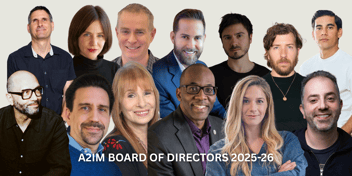
A2IM Board members offer their expertise to represent the membership at large, and assist in setting the priorities and direction for the organization.
A2IM Board of Directors’ terms run for three years. Each board seat is term limited to one, full three-year term. Any board member, and member company, serving a full three-year term must sit out one year at the conclusion of their term before being eligible to run for election again.
This year's election will run from Wednesday, May 6 through Friday, May 22, at 11:59pm ET.
To run in this year’s election, we asked candidates to provide a biography, and answers to the following questions:
- What do you consider your greatest area of expertise, and how can it contribute to the knowledge base of our board?
- What are some priority issues you have identified in the independent sector today that you plan to address if elected to the Board of Directors?
- Please expand on the priority issue(s) you would like to address if you’re elected to serve on the board.
- Why is being a part of the independent music/A2IM community important to you?
Meet this year's candidates
Dean Bein, Founder, True Panther
Expertise:
Finding the sweet spot between authentic organic musical cultures and industry support and structure. We've found a place for voices and scenes not necessarily represented in our segment of independent music in the existing independent marketplace. The bulk of my experience is building a business representing those voices, to benefit the artists themselves and the independent music community.
Priority Issues:
- Consolidation of rights and pipelines to market under major umbrellas.
- Navigating an AI affected future that feels inevitable, but requires regulation and protection of our artists' intellectual property.
- The value proposition and responsibility of independent rights holders in a space increasingly populated by asset-class investors.
Focus Issue:
Consolidation of rights holders and the pipelines with which we deliver our music is in hyperdrive. I want to discuss and explore ways in which small independent labels can continue to survive and thrive in a marketplace in which revenue streams are increasingly volume driven.
Why is being a part of the independent music/A2IM community important to you?
The independent music community is where the most interesting voices are. Independents, iconoclasts entrepreneurs and hustlers are the ones that have driven culture and music forward. It is the side of commercial music that myself and people like me have a place. It is the only side where unique voices with integrity have historically been able to grow and reach audiences without being swallowed up into a monocultural soup. For all of the occasional competition and angling that we do as independent labels, ultimately we are on the same team and it's incredibly important for those of us within this community (and the artists we represent) to have an advocacy body acting on our behalf with a shared, value driven purpose. A2IM is that for my label and labels like it, and I would love the opportunity to have an input on the direction and goals of that body.
Biography:
I founded True Panther officially in 2008. Very soon after that we became a part of Beggars Group as an imprint of Matador Records. From the beginning I saw how an intelligently-run, value driven independent record company can open a world of possibility, make careers and reach global audiences with good music. Since 2018, True Panther has been a fully independent company that strives to introduce new unexpected sounds and points of view to a broad and engaged audience. In my time running True Panther, I've seen many ways to run an independent record company - a fully independent DIY venture, part of a global independent label group, distributed by majors, working in JV capacities with majors and learned the various tentacles that make this side of our industry work.
In our 15+ years as a label, we've had numerous globally charting releases, top 40 radio records, tik tok unicorns, and a couple of Libera small label of the year victories - but have always remained focused on the primary goal;artist development done with integrity, inventive story telling, and helping amplify unique and singular voices.
Rachel Faro, Owner/Founder, Ashé Records
Expertise:
The process of pre-production, recording and marketing an album has changed drastically in many ways but in certain ways many things are the same and I have a good understanding of these aspects. I also have one foot in the world of Latin music and global roots and another in folk and Americana. I think that I can bring a lot to the table in terms of accessing both of these music communities. Having been both an artist and a producer and label owner I have an understanding of both sides. As a woman record producer I am uniquely able to mentor younger and emerging women producers and artists.
Priority Issues:
- How can we restore revenue-producing forms to the distribution of recorded music?
- How can we obtain funding for production and marketing apart from sales of recorded music?
- How can we bridge the gap between generations?
- The legal issues of AI-generated tools such as Suno.
Focus Issue:
There are two important issues that I would prioritize: AI and monetization. We are at a turning point with AI and it's important that the independent sector doesn't get shut out as the majors make their deals and create statutory frameworks. Also, I've been saying for awhile that we are back in the age of patronage because most independent music does not earn enough under the current streaming model. This means grants, crowd-funding, friends and family, corporate sponsorship, etc. It's a lot of work to depend on synch deals, march and other non-consistent revenue models. I think that the streaming model's income structure is too entrenched and the major players don't want to give up their share to support content-creators. We need to explore more deeply other ways to monetize productions and marketing such as becoming non-profits and obtaining grants.
Why is being a part of the independent music/A2IM community important to you?
It's a community and a tribe. It's important for us to share our experiences and our knowledge. Rather than regard each other as competition we should regard our fellow companies as a way to expand our reach and support each other.
Biography:
I'm an experienced music business professional, having worked in just about every side of the music business for over forty years. Originally an artist signed to a major label I toured for fifteen years before settling down to become a record producer. I've produced over 25 albums, four of which have been nominated for Grammys or Latin Grammys. With the support of Rounder Records I founded Ashé Records thirty years ago as a producer's signature label, producing and releasing artists such as Odetta, Yomo Toro, Maria Rivas, Los Van Van and many more. Outside of the label I've produced Eddie Palmieri, Bobby Sanabria, Satan and Adam and more. As an independent label owner and producer/artist I've become familiar with publishing, marketing, legal issues, graphics, radio and press promotion, social media. Since the digital revolution things have vastly changed since I began and I try to stay current and informed and work with things as they are now. I'm also active in several organizations besides A2IM: Folk Alliance, the Recording Academy Producers and Engineers Wing and the Latin Recording Academy.
Katie Garcia, Owner/Founder, Bayonet Records

Expertise:
I think my greatest area of expertise is personal relationships / A&R. I love connecting with people both as artists I work with and with people who love music as much as I do. I also have experience working at small indies, large indies (Secretly Group) and major labels (Capitol Records) which I think gives me a unique and well rounded perspective on all areas of the industry. Also, because I'm married to a musician I see first hand the hurdles indie musicians have in front of them.
Priority Issues:
- Would love to see more women and people of color in leadership positions: I've been working in the industry for about 15 years now and there are so few women in CEO-level positions across the industry. Would love to see that change and help boost the visibility of women and people of color across the industry.
- Streaming inequities between majors vs independents: I know that majors have better streaming rates than independents and that definitely needs to be fixed. I know this is something that A2IM has actively been working on and would love to help continue the fight for that.
- The rise of AI usage in music. How to protect and bolster artists making music in today's landscape: The simultaneous threat and promise that AI offers of the industry makes it a complex issue. My main concern is how AI usage will affect artists ability to earn a sustainable living especially if AI songwriting cuts into commercial sync and licensing.
Why is being a part of the independent music/A2IM community important to you?
The majority of my time in the industry has been spent in the independent sector and it's where I feel artists are able to express their creativity without fear of exploitation. Being married to a musician makes me especially aware of this and is another reason why this is so important me. It's not only meaningful to me from a business perspective but it is also meaningful to me because it affects my whole family. It's deeply personal and would fill my heart with so much joy to be on the frontlines improving the lives of labels and musicians.
Biography:
With over 15 years of experience in the music industry, Katie Garcia is a prominent figure and a driving force behind some of today's most influential artists. Katie co-founded Bayonet Records in 2015 with her husband and Beach Fossils founder, Dustin Payseur. Her entrepreneurial spirit and dedication to fostering new talent have been key to the label's success. At Bayonet she's worked with some of the industry's most unique and culture-leading talent like yeule, Mei Semones, Frankie Cosmos and Being Dead. Previously, she served as the Vice President of A&R at Capitol Records from, where she has worked with notable talents such as Maggie Rogers, Petey, and Matt Rogers, co-host of Las Culturistas. This gave Katie a unique perspective of seeing how the other side of the industry operates. Before joining Capitol Records, Katie was the Director of A&R at Secretly Group (Dead Oceans, Jagjaguwar, Secretly Canadian) starting in 2014 through 2022. During her tenure, she played a pivotal role in signing and nurturing flagship artists like Phoebe Bridgers, Japanese Breakfast, and Slowdive. Earlier in her career, Katie was the A&R and label manager at Captured Tracks from 2010 to 2014, where she oversaw the label's rapid growth from indie favorites to a powerhouse in the industry with releases from DIIV, Wild Nothing, and Mac DeMarco. Katie Garcia's extensive experience and unwavering commitment to artist development make her an invaluable asset to the music industry. Lastly, because she is married to a musician herself, she is acutely aware of the challenges facing independent artists every day. When she's pushing for meaningful change of music industry at large, she's also doing it for her own family.
Oscar Guitian, CEO, Serving Sounds
Expertise:
In my opinion my areas of expertise are negotiating, listening and creative ideas. I believe I can contribute to bring fresh ideas and view points of the industry to the board.
Priority Issues:
- Help bridge the gap between major indie labels and developing indie labels
- Help form part of policy formation for Ai advocacy for Ai's continued role in the music industry
- The devaluation of music and content
Focus Issue:
- I would like to help push for programs and activities that give A2Im members opportunities to be able to monetize and help build their business from A2IM. Like the yearly top 20 artists on the raise from A2IM.
- Form part of advocacy groups and conversations with partners to help further shape Ai music. How it's categorized within DSP's and how it's monetized.
- Push for better monetization terms and revenue sources for indie labels, how are normally cut out of the back end deals the majors get.
Why is being a part of the independent music/A2IM community important to you?
Having formed part of the advisory board I realized the important role A2IM plays and can play in advocating for the independent music sector.
Biography:
Indie record label CEO of Serving Sounds and partner/ Co Founder at WK Records. I am an independent music entrepreneur focused on building artist-centered businesses within the modern music industry. As the founder and operator of Serving Sounds, I lead artist development, release strategy, partnerships, rights management, and business growth. My experience in the independent sector has given me a practical understanding of the opportunities and challenges facing labels, artists, and rights holders, particularly around market expansion, monetization, technology, and advocacy. Highlights include Billboard 40 under 40 and Billboards top 10 Indie Latin labels.
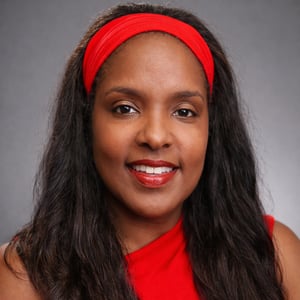
Natalie Jean, Artist & President, Natalie Jean Music
Expertise:
My greatest area of expertise is navigating and advocating within the independent music ecosystem as a self-managed artist. I bring a comprehensive, hands-on understanding of the full lifecycle of music creation and distribution—from songwriting and recording to marketing, radio promotion, and audience development. Having led my own releases and campaigns, I understand both the creative and operational demands placed on independent artists today.
In addition, I specialize in artist advocacy and community-building, with a particular focus on equity and representation. Through my work as a recording artist, former co-founder of Sisters in Music, and host of “Chatting with Nat,” I have consistently created platforms that elevate underrepresented voices and address systemic challenges within the industry.
What distinguishes my expertise is the combination of lived experience and strategic execution. I don’t just understand the challenges independent artists face—I actively navigate them, solve them, and translate those insights into actionable approaches that can benefit the broader community. This perspective allows me to contribute meaningfully to conversations around policy, access, and sustainability within the independent music sector.
Priority Issues:
Three key issues I have identified in the independent music sector today are equity and access, sustainable revenue generation for independent artists, and transparency within industry systems.
First, equity and access remain significant challenges, particularly for women and underrepresented artists in genres like Americana and Country. There are still barriers to visibility, inclusion in key industry opportunities, and fair representation. I am committed to supporting initiatives that create more inclusive pathways and ensure that diverse voices are not only heard but supported at every level of the industry.
Second, sustainable revenue generation continues to be a major concern for independent artists. With the evolving digital landscape, artists are often required to take on multiple roles while navigating complex and fragmented income streams. I aim to advocate for better support systems, education, and resources that empower artists to build viable, long-term careers.
Third, transparency and accountability within industry structures—particularly in areas such as distribution, promotion, and artist services—are critical. Many independent artists lack clear insight into how decisions are made or how opportunities are allocated. I believe in fostering greater transparency so artists can make informed decisions and operate from a position of knowledge and strength.
Through my experience as an independent artist and advocate, I plan to contribute practical, artist-centered perspectives to help address these challenges and support a more equitable and sustainable independent music ecosystem.
Focus Issue:
If elected, I would prioritize advancing transparency, equity, and sustainability within the independent music sector. Transparency is critical, particularly in areas such as distribution, promotion, and artist services, where many independent artists lack clear visibility into how decisions are made, how opportunities are allocated, and how value is assigned. Strengthening transparency would empower artists to make informed business decisions and build greater trust across the ecosystem.
I would also focus on expanding equitable access to opportunities for underrepresented artists, particularly women and artists of color in genres where they have historically been overlooked. This includes advocating for more inclusive programming, fair representation in industry spaces, and intentional pathways that support long-term career development.
Finally, I would work toward improving sustainability for independent artists by supporting initiatives that provide education, resources, and strategic tools to help artists navigate revenue generation, marketing, and audience growth. Independent artists are often required to operate as full-scale businesses, and ensuring they have the knowledge and support to do so effectively is essential to the health of the entire sector.
Through these priorities, I aim to contribute an artist-centered perspective that not only identifies challenges but helps drive actionable, long-term solutions for the independent music community.
Why is being a part of the independent music/A2IM community important to you?
Being part of the independent music community is important to me because it represents creative freedom, ownership, and the ability for artists to define their own paths without compromise. As an independent artist, I have built my career by making intentional choices about my music, messaging, and business strategy, and that autonomy is both empowering and essential to authentic artistic expression.
At the same time, independence should not mean isolation. Being part of a community like A2IM is vital because it creates a collective voice that advocates for the needs, rights, and sustainability of independent artists and labels. It provides a space for shared knowledge, collaboration, and support in an industry that can often be fragmented and challenging to navigate.
For me, this community is not just about professional growth—it is about contributing to a larger movement that values equity, access, and innovation. I am committed to both benefiting from and giving back to this ecosystem by helping to strengthen the infrastructure that supports independent creators and ensures their long-term success.
Biography:
I am an independent singer-songwriter, recording artist, and social impact advocate operating under Natalie Jean Music. My work spans multiple genres, including Americana, Country Folk, Jazz, Blues, and Pop, and is rooted in storytelling that promotes empowerment, equity, and social change. I am a two-time Global Music Awards Gold Medalist and have achieved charting success across platforms such as Billboard, iTunes, Amazon, and Apple Music. As a multilingual artist recording in English, French, Spanish, and Haitian Creole, I connect with diverse audiences both nationally and internationally.
In addition to my work as an artist, I bring a strong background in leadership, advocacy, and community-building within the independent music space. As the former co-founder of Sisters in Music, I developed initiatives, programming, and events that amplified and supported women in the industry. I also host the podcast “Chatting with Nat,” where I engage with artists and industry professionals to elevate diverse voices and provide insight into the evolving music landscape.
My experience extends deeply into the business side of the industry. As an independent artist, I have managed my own releases, overseen marketing and promotional campaigns, coordinated radio outreach, and built strategic partnerships. This hands-on experience has given me a comprehensive understanding of the challenges independent artists face, as well as the structural gaps that exist within the industry.
I am committed to advancing equity, transparency, and access within the independent music sector. I bring both a creative and strategic perspective, along with a proven track record of advocacy and execution. As a potential board member, I aim to contribute thoughtful leadership, represent the voice of independent artists, and support initiatives that strengthen and sustain the independent music community.
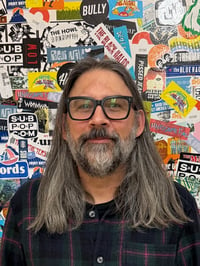
Tony Kiewel, President, Sub Pop
Expertise:
I'm passionate about the independent community and the importance of our role in sustaining a healthy creative ecosystem where artists and industry professionals can make a living. In helping to run Sub Pop, I have to be a bit of a jack of all trades, so I have a relatively solid grasp of a lot of different parts of our business and the constantly shifting challenges they each face. I've also been at this long enough to know that the rules all change as soon as you think you've figured them out so I'm always eager to foster conversations where different ideas can be exchanged.
Priority Issues:
- Streaming fraud and aggressive claiming practices by major labels are leeching significant amounts of money from indie labels.
- We often discuss consolidation as an issue when things like the Universal/Downtown deal come to light but there are many factors that are pressuring small businesses toward these types of arrangements and I think we should be doing more to level the playing field for small operators.
- I'm very concerned about the economics of being an artist and I'm interested in looking to engage with regional and local organizations to see how we can directly encourage local "scene" development.
Focus Issue:
Leveling the playing field for small business is a mammoth task that will take a lot of time and energy applied to a lot of different aspects of the business. DSPs and social networks need to be consistently pressured to open up access and provide more tools. We need to support and incentivize affordable independent software solutions for things like royalty accounting, data analysis, and asset management. Our mentor program is incredibly important and I would like to explore expanding it by adding an incubator program that would provide guidance from our larger labels for one or more of our smallest member labels.
Why is being a part of the independent music/A2IM community important to you?
I've long subscribed to the belief that "a rising tide lifts all boats" and I believe that it's important for our cultural community to support developing artists from divergent backgrounds. Through sharing information and speaking out together, I've seen firsthand how A2IM can help smaller companies who often tend to share these ideals.
Biography:
I'm President of Sub Pop Records where I've worked for the last 26 years. I'm involved in all aspects of our company but the majority of my tenure here has been spent overseeing the A&R department. I've served on the board of A2IM on two previous occasions and spent a year acting as Chair. I'm currently serving on the board of WIN and I'm really proud of the work that organization has been doing to improve conditions for independent music business in developing countries.
Many years ago, before moving to Seattle from Los Angeles for my job at Sub Pop, I spent time in the marketing departments of Geffen, Dreamworks and Alias Records while promoting live shows and hosting a radio show that only played demo tapes called Demolisten at KXLU.
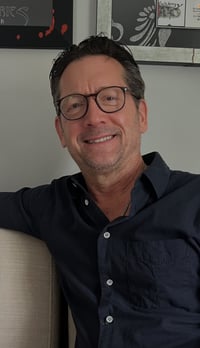
Steve Kline, President/COO, Better Noise Music
Expertise:
My greatest area of expertise is finding solutions to problems.
Throughout my career, I have had the privilege of working across virtually every facet of the music business, while overcoming many challenges while adding to the success of each organization. From my first job at a record store, to my early days in promotion at Atlantic Records, through senior roles at Geffen, Columbia, and J/Arista, to artist management at 10th Street Entertainment, and ultimately to my current role as President/COO of Better Noise Music, where I oversee all aspects of a global independent label operation including marketing, streaming, radio, research, and A&R.
Priority Issues:
- Devaluation of Music (Including IP & AI Protection)
- Consolidation of Power (Majors + Distributors + Capital)
- Fragmentation of the Independent Sector
Focus Issue:
Devaluation of Music:
- Address payout model inequities
- Eliminate minimum thresholds that exclude indie revenue
- Protect IP and ensure fair compensation in the age of AI
Consolidation of Power:
- Mitigate structural advantages held by majors
- Reduce dependency on major-affiliated distribution ecosystems
- Ensure fair and transparent access to capital and services
Fragmentation of the Independent Sector:
- Protect our collective bargaining power
- Strengthen alignment across indies
- Standardize access to tools, data, and monetization
Biography:
I am the President/COO of leading global independent Rock and Alternative record label, Better Noise. With more than 25 years of music industry experience, I began my career in the promotion department at Atlantic Records. From there, I held senior positions at Geffen, Columbia, and J/Arista Records. In 2003, I joined legendary artist manager Allen Kovac's 10th Street Entertainment. In 2006, I teamed up with Kovac to head marketing and promotion for the launch of the Eleven Seven Label Group, now renamed Better Noise (BNM). BNM is now a leading global independent label with bases in NY, LA, Chicago, Austin, Miami, London, Berlin, Toronto, and Sydney.
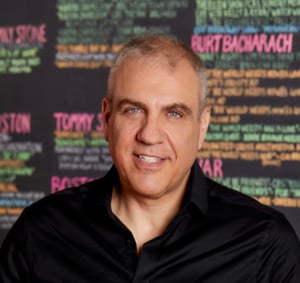
Dominic Pandiscia, Chief Strategy Officer, Primary Wave
Expertise:
Marketing strategy, artist development, catalog strategy, revenue growth an optimization.
Priority Issues:
- Pursuit and release of black box and suspended revenues.
- Equitable fee structures ensuring the highest possible margin for content creators and IP owners.
- Sharing of breakage from any 3rd party partners that may be surrounding the IP owners' business.
Focus Issue:
Ensuring independent artists are getting their appropriate share of revenue (both suspended and ongoing) from all 3rd platforms that monetize their creative output is a critical issue to me and the company.
Why is being a part of the independent music/A2IM community important to you?
I believe deeply in supporting the rights of independent artists and labels. I've spent the majority of my career supporting the independent sector after transitioning out of the major-label eco-system. A fair chunk of my career was spent with Virgin Records which was one of the most coveted independent labels of its' era, and we strived to retain that culture even after being purchased by EMI. This evolved into supporting the independent community more directly as President of Caroline and now at Primary Wave which in any given week, is the biggest independent music company in the world.
Biography:
Chief Strategy Officer - Primary Wave
Dominic Pandiscia, who has 37 years of executive and creative leadership experience in the music industry, joined Primary Wave in 2018 as Chief Stragey Officer providing support across divisions including acquisitions, marketing strategy, content development and more. Dominic also oversees the Recorded Music business for the company including the "Sun Label Group" (Sun Records, Surfdog, Green Hill, Gaither, emeraldwave), as well as the artist catalogs of Devo, Olivia Newton John, WAR, Chris Isaak and more. In addition, Mr. Pandiscia has been instrumental in forging numerous acquisitions and partnerships for the company including with Lava Records (Greta Van Fleet, The Warning, Lava For Good Podcasts (“Wrongful Conviction”), and multiple catalog investments including Pat Metheny, Moby, Jim Brickman, Manna Music, Burton Avenue Music among others. Prior to joining Primary Wave, Dominic held numerous roles in the music and IP business including as President of Caroline which achieved unprecedented success through his tenure including achieving record market share and four #1 albums in 2015 (the first #1's in the 33 year history of the company) as well as Executive Vice President, Commercial & Revenue Development of EMI Music North America where Mr. Pandiscia oversaw all commercial strategy, synch, branding and merchandising for the company following 13 years at Virgin Records. Dominic also achieved success as a strategy consultant for numerous businesses and initiatives including for the Discovery Channel film “Racing Extinction” which received an Academy Award nomination for “Best Original Song”. Mr. Pandiscia graduated from Montclair State University with a degree in English in 1989.
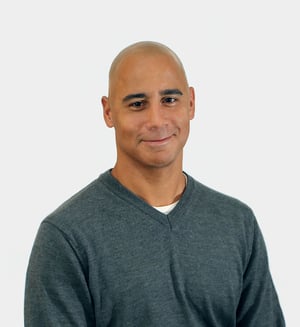
Elliott Peters, Chief Legal Officer, EMPIRE
Expertise:
My greatest area of expertise is navigating industry disruption and translating it into viable business models and commercial opportunities.
Over the course of my career, I have helped guide the industry through multiple waves of transformation—from physical (CD) to digital downloads, to streaming, and now into the emerging opportunities and challenges presented by AI. I have been directly involved in structuring some of the earliest and most consequential agreements that shaped modern music consumption, including early ringtone, Apple iTunes, and YouTube deals.
A core part of my work has been finding practical, forward-looking solutions to complex rights and licensing challenges—often in moments where the market was ahead of existing frameworks. I have consistently focused on breaking through rights impasses to enable new forms of distribution and monetization, ensuring that innovation can move forward while protecting the value of creative work.
This experience allows me to bring a pragmatic and strategic perspective to the board—grounded in what it takes to adapt, negotiate, and build sustainable models in times of rapid change.
Priority Issues:
A2IM must play a leading role in shaping the independent sector’s position on AI, ensuring risks are mitigated while new creative and commercial opportunities are fully realized.
We must continue to advocate for fair, transparent, and equitable monetization structures that allow independent artists and labels to compete and sustain long-term careers.
It is critical to preserve and expand creator and label choice by resisting further industry consolidation and supporting a diverse, competitive marketplace.
Focus Issue:
To address these priorities, I would focus on a combination of internal alignment, external advocacy, and proactive market engagement.
First, A2IM should lead a structured internal dialogue with its membership—particularly around AI—to develop clear, consensus-driven positions, and publish those positions to ensure the independent sector has a unified and influential voice in broader industry discussions.
Second, we should actively support and help shape legislation that advances the interests of the independent community, including efforts like the American Music Fairness Act, while also identifying ways independents can benefit from and build upon favorable outcomes achieved through broader industry advocacy, including work led by organizations such as the RIAA.
Finally, A2IM should more proactively leverage its collective voice to monitor and respond to market developments—particularly transactions or structural shifts that may limit choice, access, or competitive opportunities for independent artists and labels—ensuring that a diverse and healthy ecosystem for creating and distributing music is preserved.
Why is being a part of the independent music/A2IM community important to you?
I want to serve on the A2IM board because the independent sector is not just an alternative to the mainstream—it is the foundation of the modern music ecosystem.
Today, the vast majority of artists operate independently, and while only a small percentage reach global superstar or Grammy-level visibility, a significant number build sustainable, impactful careers that collectively represent nearly half of the recorded music market. These artists and companies are driving culture, innovation, and long-term artist development.
I see the independent community as the industry’s true “farm system”—where talent is discovered, nurtured, and developed with a focus on creative identity and longevity rather than short-term scale. This is where new sounds emerge, where risk-taking happens, and where artists build the foundations of careers that can ultimately reach millions of people.
My goal in joining the board is to help strengthen that ecosystem—ensuring independent artists and labels have the tools, knowledge, and advocacy they need not just to break through, but to build sustainable, long-term businesses on their own terms.
Biography:
I am Chief Legal Officer at EMPIRE, where I lead the company’s global licensing strategy with digital music platforms and work to secure best-in-class terms for our partners, including recording artists, songwriters, labels, and publishers. I also oversee legal strategy across commercial transactions and M&A, and partner closely with our CEO and executive team to shape company policy and operational best practices.
I bring over 25 years of experience across the music industry, spanning major labels, independent distribution, and digital platforms. My background includes roles at Warner Music Group (including ADA), as well as at leading DSPs such as Apple iTunes, Rdio, and SoundCloud. This cross-sector experience has given me a comprehensive understanding of how deals are structured, how value flows through the ecosystem, and where friction points exist between stakeholders.
I have also served on boards and committees for organizations including RIAA, SoundExchange, Music Business Association, and A2IM. Through this work, I have developed a deep familiarity with both longstanding and emerging industry challenges, particularly those stemming from the ongoing evolution of technology and its intersection with legacy legal and regulatory frameworks governing intellectual property.
Sebastian Wolff, CEO, Materia Music

Expertise:
My greatest expertise is at the intersection of games and music. Interactive/audiovisual media attracts 10x more attention and revenue than the global music industry. Less than 1% of music from games is represented, administered, and distributed. 90+% of gen Z spend over 20 hours per week in virtual worlds.
I believe that games are the future of music.
In the last five years, A2IM has only had a single member on both its board and advisory board with experience in game music.
Given the overwhelmingly extensive and vast opportunities in the game industry, what has so little effort been made to participate, and bridge the gap between music and games?
Priority Issues:
- Prioritizing human art: protection and advocacy for human-made music, and A2IM’s role in protecting against unauthorized AI usage
- Unregistered, unmatched, unclaimed: Royalties that expire and remain unpaid to independent artists
- Bridging game- and music-industries through better shared understanding of opportunities
Focus Issue:
Anything worth creating is worth protecting. Now, more than ever, it remains important to protect the human creators whom we represent, as artificial intelligence threatens to displace and replace the art in artistry.
Why is being a part of the independent music/A2IM community important to you?
As a proud A2IM member since 2016, I believe that independence means resilience and autonomy. Independence means opportunity through community: altruism celebrated by joint successes.
I believe that A2IM’s proactive advocacy, policy, and influence remain essential during a period of AI, fear, and consolidation, -- all of which threaten to leave human artists behind.
I believe that A2IM’s future requires more opportunities in celebrating and protecting the future of independent music.
Biography:
My name is Sebastian Wolff. I am the the CEO and founder of Materia Music, the leading video game music record label, music publisher, and rights administrator.
With deep advocacy for the longevity of music beyond the game, and associated royalties for its composers and producers, I have strived towards enriching the soundtrack/media ecosystem via investments, sponsorships, and innovative opportunities -- all of which hopefully heighten the longevity of game music.
Prior to Materia, I co-founded the US mechanical rights company Loudr, acquired by Spotify in 2018, and resulting in Spotify's premier music publishing department.
.png?width=352&name=A2IM%20x%20austin%20breakfast%20social%20(4).png)
